
October 30th, 2030
Throughout the year, Congress has seen a trio of bills pass by, though only one received the President’s signature.
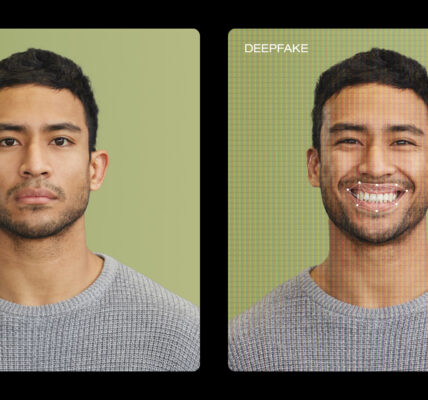
After the debacle of 2028, many have been calling for regulations on deepfakes. There have been moves to do so in the past, the most notable being the No Fakes Act proposed in 2023. However, this and the most recent version of the bill didn’t make it very far. Critics claimed that the bill wasn’t restricting enough as it maintained exceptions for parodies, criticism, and advertisements. It’s suspected that major media outlets didn’t want to lose this valuable tactic for targeting figures they disliked.
Additionally, there has been proposals to restrict generative AI as a whole to prevent their pervasive use in mass media. However, this too fell apart; multiple concerns were raised regarding the regulation of generative AI, including the difficulty of determining the harm it causes and potential restrictions on speech.
However, there was one measure that was passed and it will go into effect at the beginning of next year. Based on the controversial Kids Online Safety Act, this law will place restrictions on content that can be harmful to minors. Defining this, however, has been challenging. While there have been strides to reduce violent material that has become more common online, many fear that it will be used as a tool to police online speech and that many topics regarding mental and sexual health will be censored. How this law will be enforced has yet to be seen, but it appears to have shaken the social media ecosystem that has grown over the past several years.