
November 19th, 2024
As social media becomes more dominant in our lives, more people are looking away from the TV and toward their phones. In 2023, it was reported by the Washington Post that half of all adults gain their news from social media, with online publications overshadowing print and cable news. A year later, that number has only grown, with up to 80% of people scrolling through X (formerly Twitter), Facebook, or TikTok instead of turning to mainstream news outlets.
For many, this is an issue of convenience, as it’s easier to simply pull out your phone than set aside time to read an article or watch TV. Others have begun to distrust major news outlets, only worsened by party polarization. Regardless of the reason, more and more people have been turning to social media, often getting news from individuals and groups they follow.
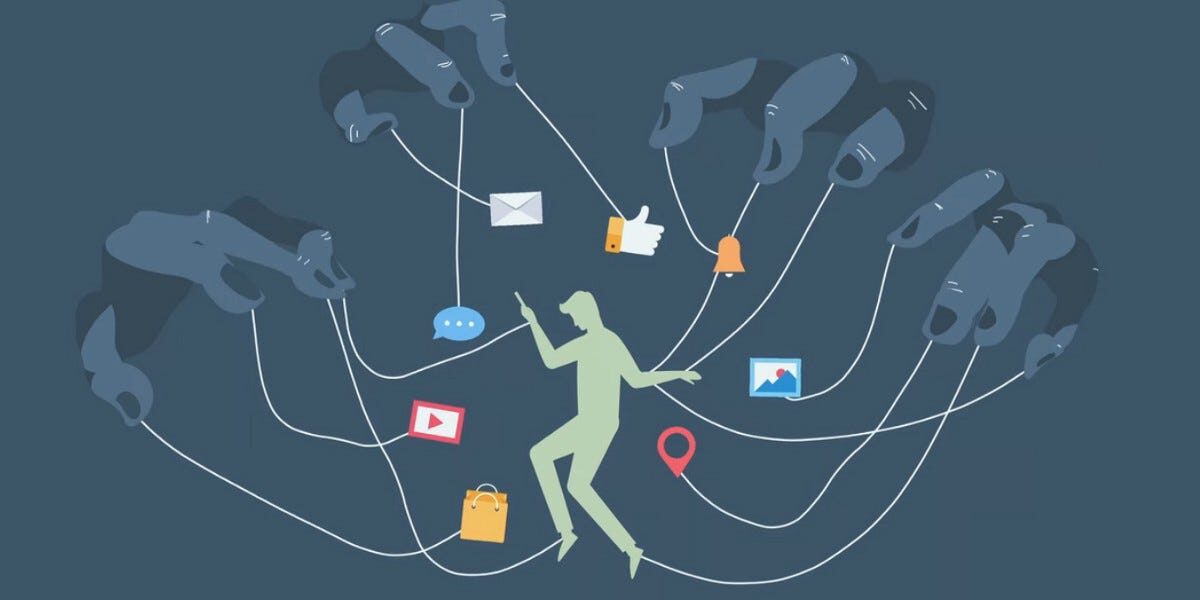
This hasn’t come without concerns. Social media has shown to be susceptible to misinformation and disinformation, as people watching the 2016 election can attest to. With social media, fact-checking is more of a suggestion than a requirement, with many not bothering with that essential step. This allows misinformation to spread rapidly, especially in the wake of conflicts such as that seen in Gaza. Anyone is able to say anything, and to many, that isn’t a positive. It also doesn’t help that social media algorithms tend to suggest content related to what the user already follows or interacts with, forming an echo chamber where they only hear what they want to.
Social media companies are fully aware of this, with many attempting to reduce how much news content is suggested to its users. This has only made it more likely that people will turn to individuals and ‘influencers’ for news content, as they are more likely to trust people they have built an emotional connection with. This is in spite of the fact that influencers are likely to spread misinformation, allowing false claims to reach a larger audience. Granted, this doesn’t shield these people from harassment, as even one opinion can turn their followers against them. And as the trend of ‘doomscrolling’ rises and people grow exhausted with negative news stories, more and more people will start to tune out, only reading the news they want to hear- if they do at all.
The future of traditional news organizations is shaky. Some may even say that they’re dying out completely. But either way, social media news have begun to dominate our lives, and it’s doubtful that it will ever go away.